Sunday, February 18, 2018

A look at Caspar David Friedrich

For me the paintings of Caspar David Friedrich put man in the landscape in an astonishing way.  The figure is often dwarfed by the surroundings.  We have the intellect to understand our surroundings but we are still no closer through each new discovery that science provides to understanding the universe.  Each discovery brings about a new question so we are left continually searching. The mystery of things is always infant of  us. We also can not deny its beauty and the pull that we have toward it.

In "Wanderer above the Sea Fog," I am reminded of those times that I have been hiking in a fog and the objects near you have a singularity. I felt as I was alone but being watched by another being.  Each shrub would reveal itself to me as I approached it. I could se it as a unique object apart from the rest.


Here I am at Acadia National Park in Maine doing my closest impression of his figure in the painting. 
In the painting below,"Monk by the Sea," the landscape dominates.  The figure is dwarfed by the elements.  Sea and sky overtake and I end up feeling for this little monk. We are dwarfed in size by the sky, by the universe extending beyond comprehension.  All we can do is try an take in that very small piece that comes to our little minds.  It is a wonder that we can even take it in and make any sense of it at all.  I try to celebrate that wonder in my work as did those artists that I admire who came before.  I love these paintings because they remind me that I am not the center.  I am a part of something that was written a long time ago.  Something written by a hand that I can not see and spoken by a voice that I can barely make out in music and quite moments.  

Thursday, October 5, 2017

The movement of water

       I have been looking at some of the drawings of Leonardo da Vinci to help understand how water moves.  I love the drawing in the Royal Library, Windsor Castle, England.  The movement of the water is slowed down as we see the beautiful patterns that the swirling wind and water make as they fall on the landscape below.  The coils of rain look like hair that has been carefully rendered with the black chalk on paper.  They do resemble the Chinese paintings that tend to go beyond the physical realm, yet de Vinci is very much looking at Nature and studying closely.  Like Abrecht Altdorfer, he was responding emotionally to nature.  These pure landscape paintings with no figures at all make the landscape the sole subject of the painting.
     These studies turn the water into a sort of mathematical study, the geometry of the fluid water as it hits up against rocks and itself, falling and folding to make waves and curls again and again.  The effect is mesmerizing and puts us in somewhat of a trance like when we watch the ocean waves come in and hit the shore.  Each one a little bit different than the one that preceded it.
The drawing below of water pouring into a pool is also mesmerizing to look at.  The way the clear stream all of the sudden turns into a magical swirl of shapes is so playful yet close to the heart of what we experience when water moves.  Photography hardly describes the phoneme as well as paint does, or for that matter drawing. You can feel and see the water bubbling up as the source from above comedown on it.  The concentric circles get further apart as the water moves away from the source.  Leonardo took it upon himself to reveal natures mysteries yet still keep them as mysteries.  I feel after looking at one of his paintings or drawings that I understand what I saw better, yet I am so blown away that I am still no closer to understanding how it all works.  My curiosity is fueled to love what I see more.  The inner workings of the body, the endless questioning pulls me toward as source.  How does it work? Where does it come from? Why so beautiful? Why so ordered?


Friday, September 22, 2017

Question and Answer with Chris Larson of Rivers and Roads.


How long have you been painting, at what point did you realize this would be a vocation for you? I have been painting since high school.  My first oil painting was a self portrait Junior year.  I realised my first year in college that I wanted to make the visual arts a vocation.


Earliest Art memory? My first memory seems to be looking down at the street from a crib near the window watching people walking down below.


Favorite places or scenery to paint and why? I love to paint the sky and water; as it is always changing and is so challenging, and rewarding to try and imitate light, and its reflection with oil paint.


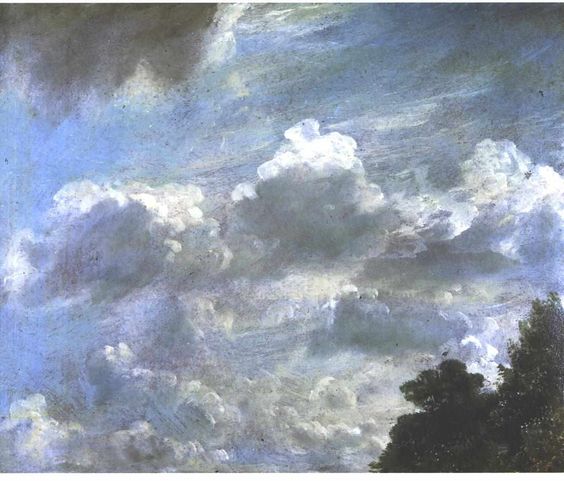
Who influences your art the most? George Inness and John Constable.


constable sky and tree.jpg


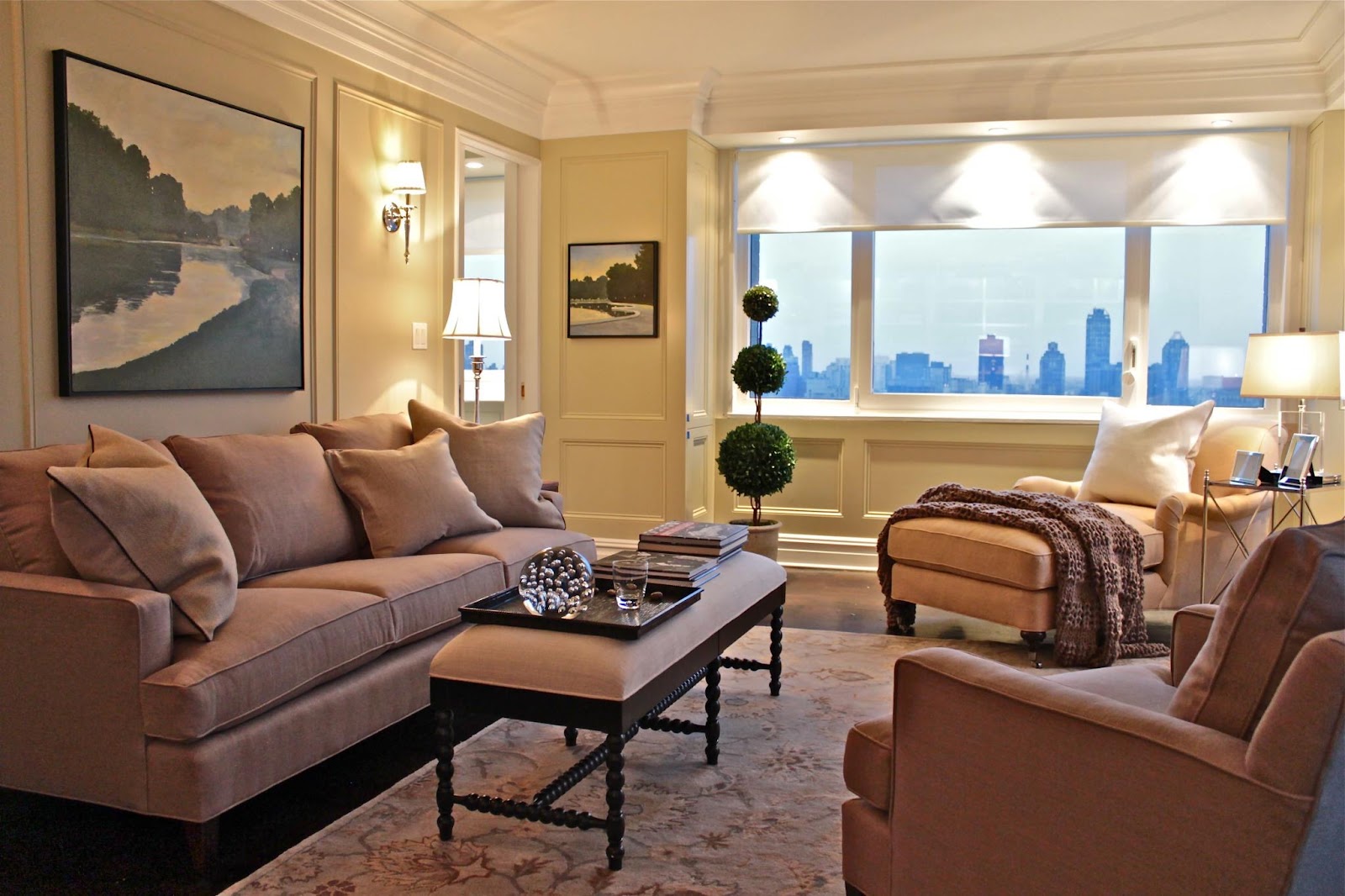
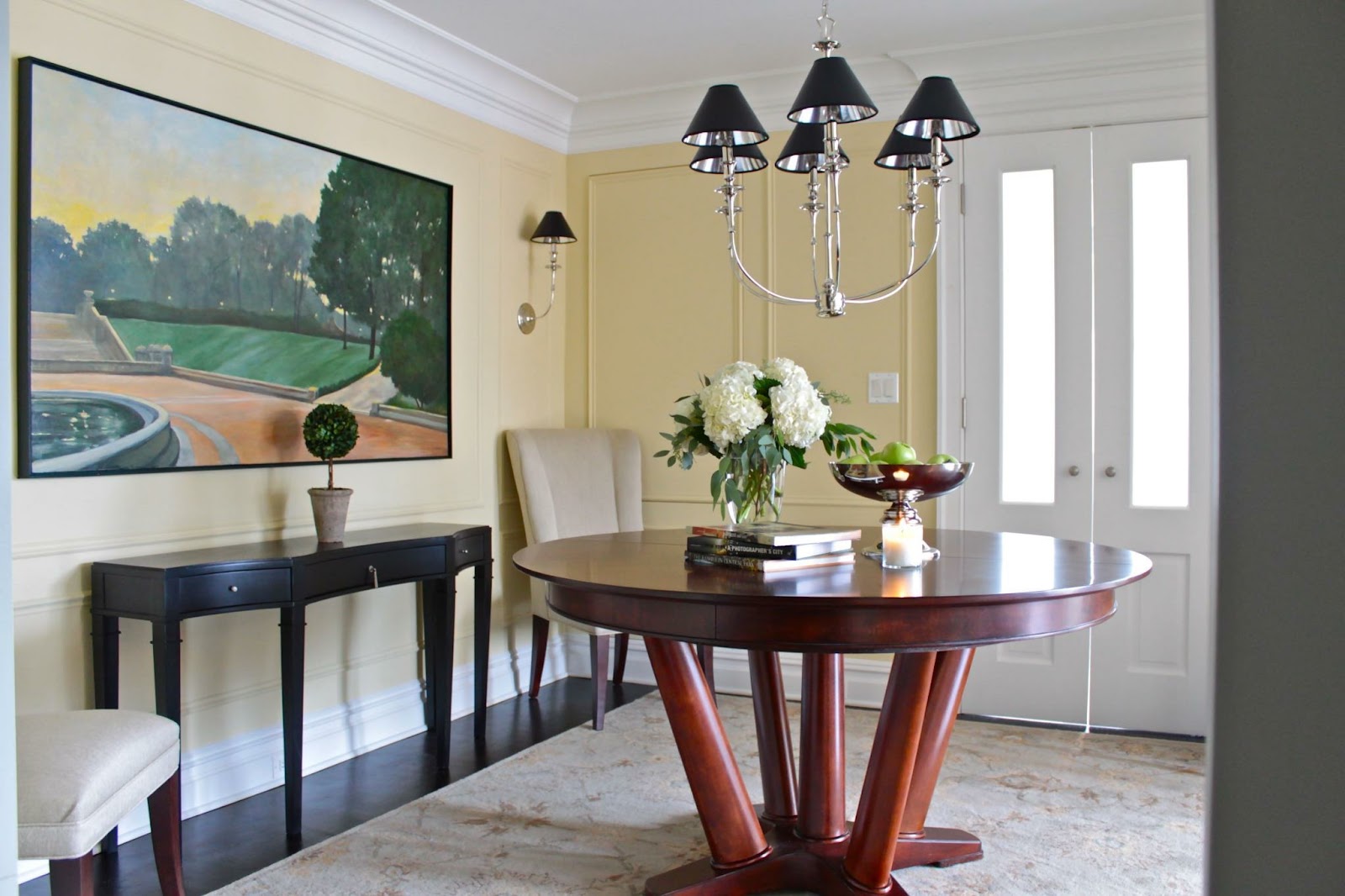
What is the biggest challenge you've faced as an artist? One of the most challenging and rewarding projects was painting commissioned landscapes of Central Park.  It was a challenge to have to paint in the park and also install the work in the apartment that overlooked the Park itself. Also painting outside in England, in bad weather was quite a challenge.


IMG_0001.JPG


IMG_9999.JPG


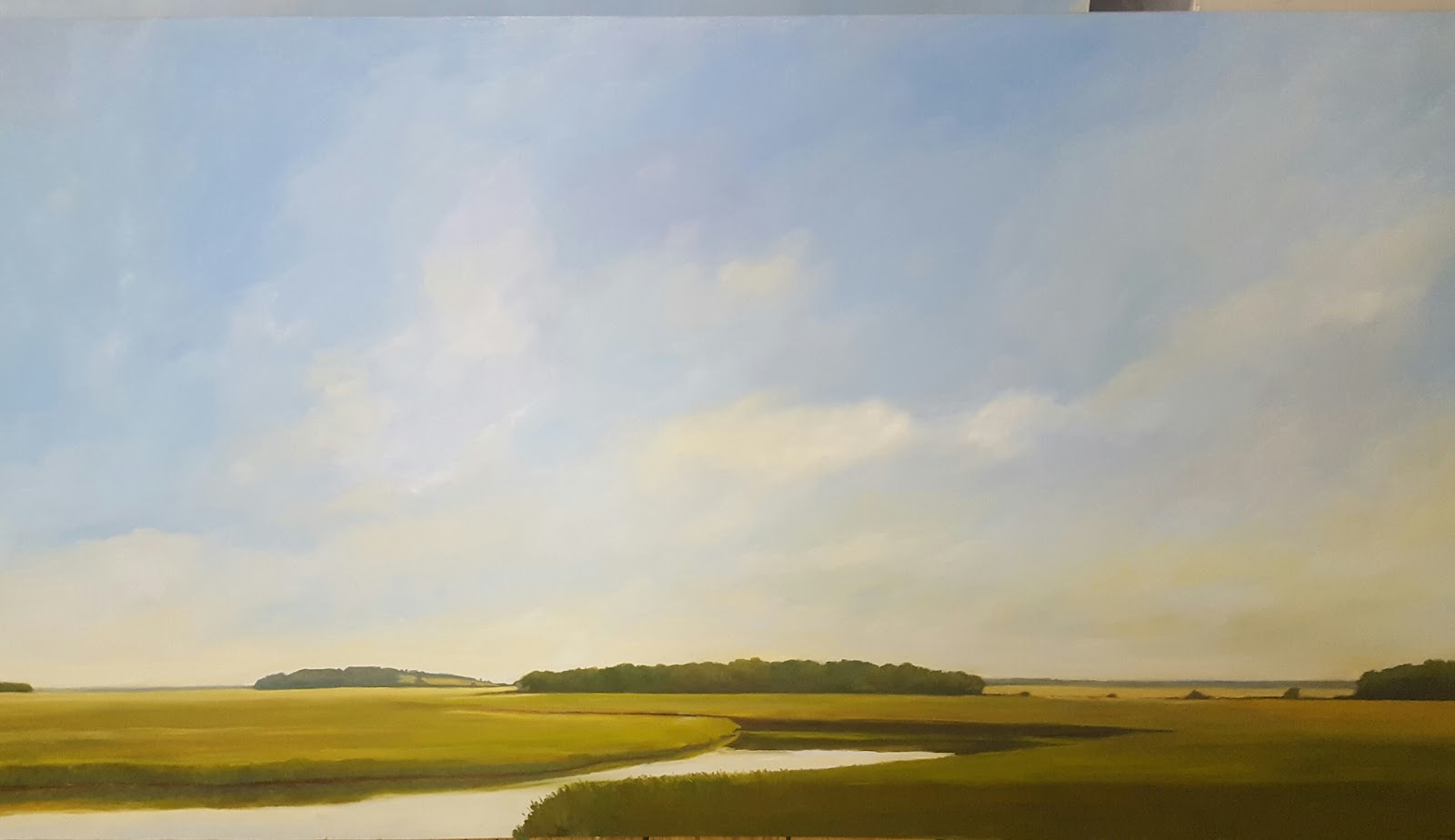
Works you are most proud of? My recent larger studio paintings of Choate Island, in Essex Bay, Massachusetts.


hog island.jpg

Memories of special places (physical/metaphorical) your art has taken you? Some favorite memories are going to museums in Italy, and seeing great works of art for the first time.  These were spiritual experiences for me. Metaphorically art has “opened my mind” to new ways of seeing the world and appreciating the beautiful and “small” things in life.

Monday, August 7, 2017

Poets and Painters, from 1795 to 1849.

When I go back and look at some of the first paintings that American artists were making I am fascinated by their optimism. In paintings like "Kindred Spirits," 1849, by Asher Durand, you feel the sublime in nature and the conversation of two friends as they marvel at its rugged beauty.  This was painted a year after the death of Durand's friend Thomas Cole.  The painting commissioned by Jonathan Sturges depicts Cole on the right with his easel  under his arm, talking with a poet William Cullen Bryant.  I looked up some of Bryant's writing and the first quote I came upon was what I might have expected; " Go forth under the open sky, and list To Nature's teachings."
     This spot in the Catskill Mountains is painted lovingly and reverently. There are no ruins from Europe.  There are only the broken branches of trees and the mountains that seem as if they have been placed, or composed in a way that skips the eye back into space getting lighter, softer and more ultra-marine as they move into the distance.  Its gives us the feeling of peace between man and nature, where two friends just stand in awe of what they are seeing.  It is an idealized moment.  The hawks flying free and the light just right.  So many landscape artists of this period seem to have the feeling of America as a paradise regained in their work.  The waterfall running through the center is another great design in composition.  It leads our eye up and down the painting and for me adds a sound of water moving.  There is great attention placed on the detail of the ferns in the foreground to the left.  The over hanging branch also has a visual rhythm as the pattern of the leaves seem to speak order in the wild.  There is a great balance in the painting.  There is not only reverence for Nature but also that of Thomas Cole.  The Oxbow, by Thomas Cole is another great painting, painted in Massachusetts.
    The last painting I have chosen goes back a little further to 1795.  In this painting we can see an influence of the European painters such as Claude Lorraine who lived in France in the 1600s. Winstanley has a painting that can still be seen at Mount Vernon, that was owned by George Washington.  During a visit to Mount Vernon I was fascinated by these paintings and their dark beauty.  The mood and mystery is something that I am drawn to in my own paintings. This painting by Winstanley was painted around the same time that the poet William Wordsworth was composing lines prasing Nature for its doorway into the human spirit.  These words echo that of Bryant; "Come forth into the light of things, let nature be your teacher."
Lines Written in Early Spring

I heard a thousand blended notes,
While in a grove i state reclined,
In the sweet mood when pleasant thoughts
Bring sad thoughts to mind.

William Wordsworth


"Kindred Spirits" 1849, by AsherB. Durand, New York Public Library, New York

"The Oxbow", 1836, by Thomas Cole, Metropolitan Museum of Art, New York


"Meeting of the Waters," 1795, by William Winstanley, at the Museum of Art, Utica, New York